


MemoMind One September Update: Smarter AI, Fewer Bugs
This update brings multilingual AI conversation support, AI summaries for Translation and Captions, real-time call captions, and a batch ...


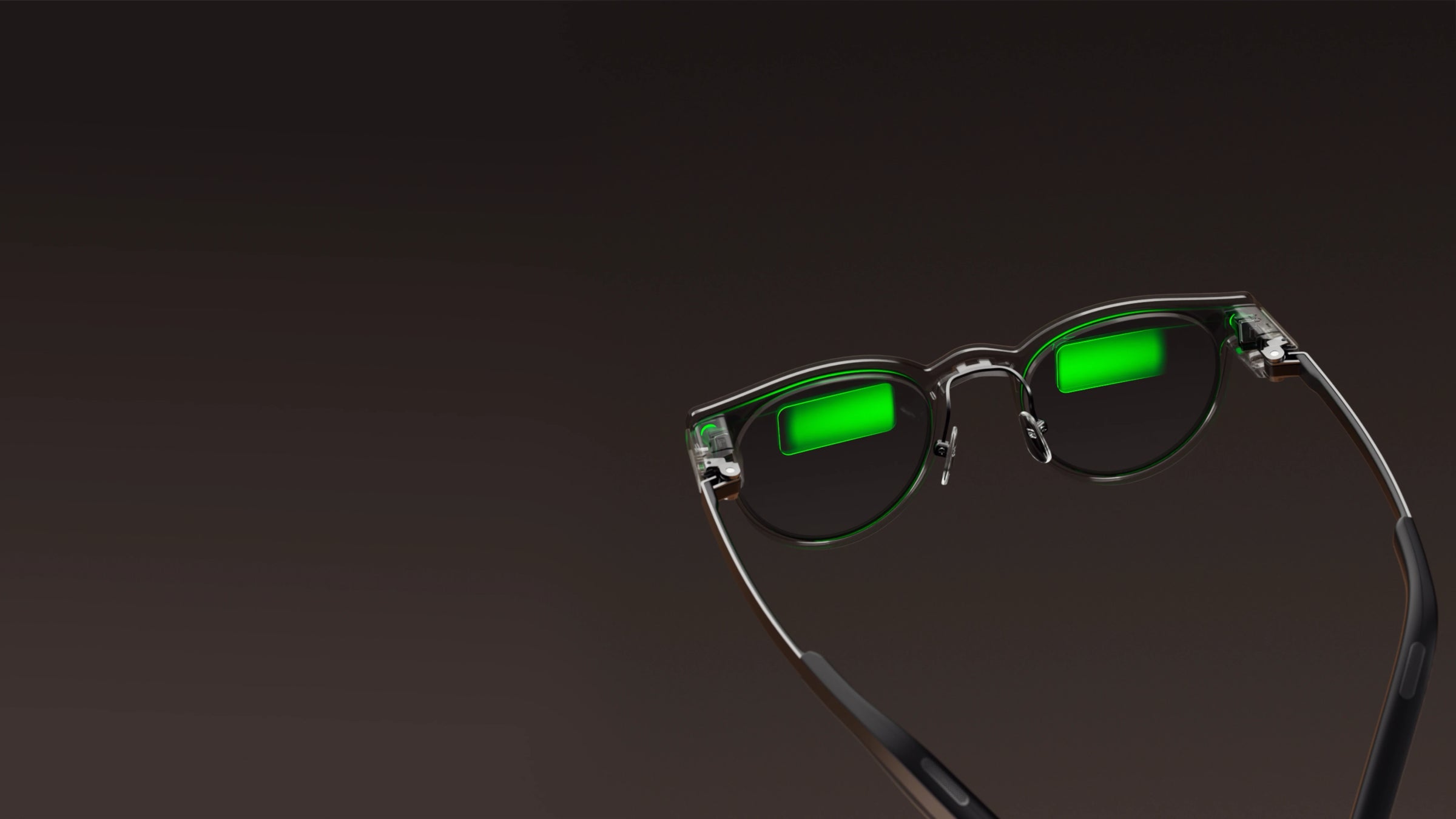
Unpacking MemoMind through curated stories, technical breakdowns, and visual updates.
Selected manually, arranged with a stronger editorial rhythm.
This update brings multilingual AI conversation support, AI summaries for Translation and Captions, real-time call captions, and a batch of fixes across scheduling, navigation, ...
Newest MemoMind stories from every blog category.

This update brings multilingual AI conversation support, AI summaries for Translation and Captions, real-time call captions, and a batch ...
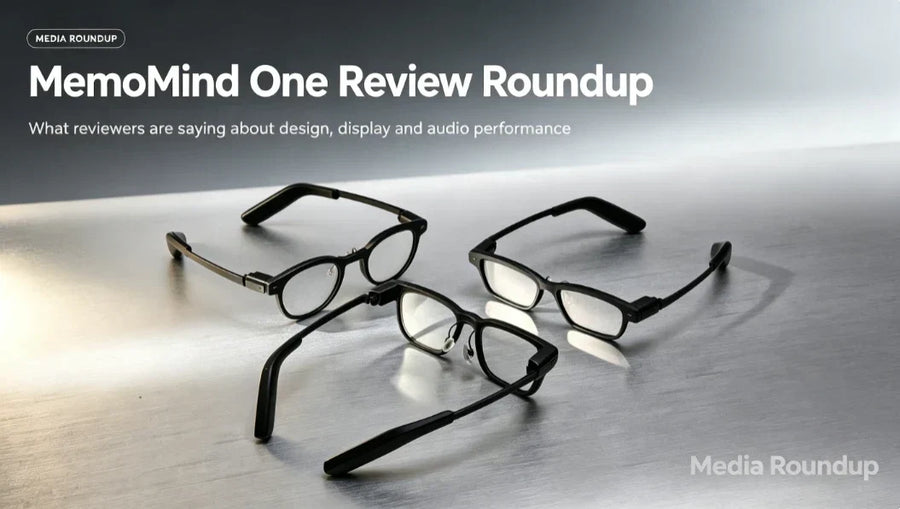
A MemoMind One review roundup of camera-free smart glasses, including media praise, common concerns, and who the product is best for.
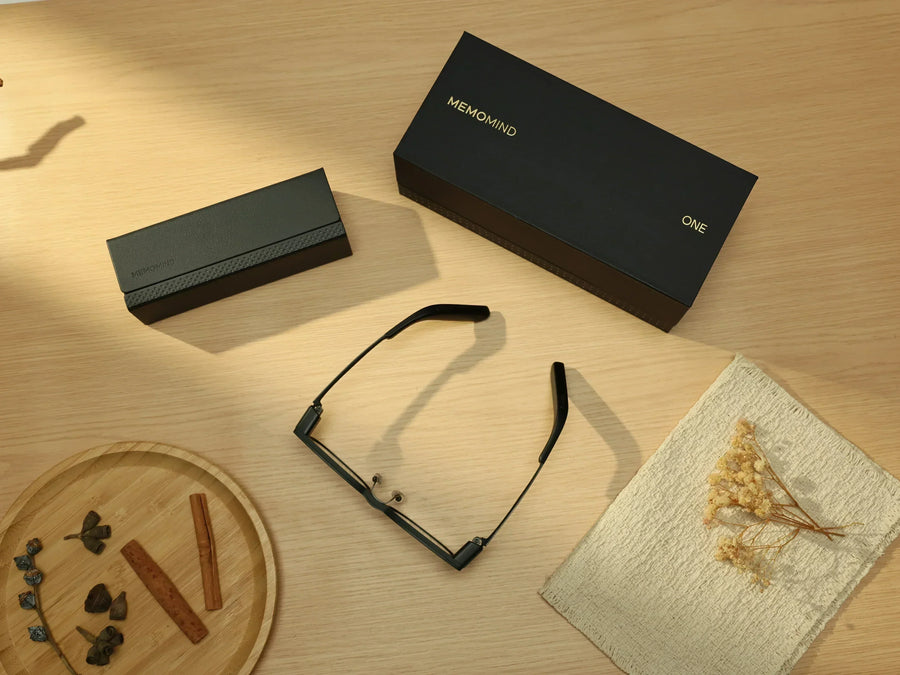
This update covers pricing, benefits for deposit holders and Kickstarter backers, how to place your order, prescription lens options, and...

Reserve your MemoMind One today with a $30 fully refundable deposit and save up to $290! Experience the most natural AI display glasses d...
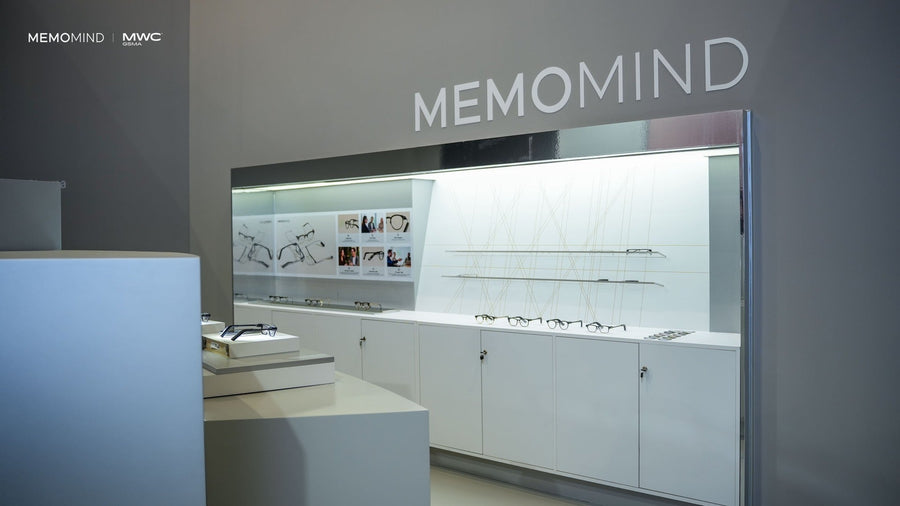
MemoMind makes its debut at MWC 2026! Discover the ultra-lightweight MemoMind One AI glasses and the new minimalist MemoMind Air series. ...
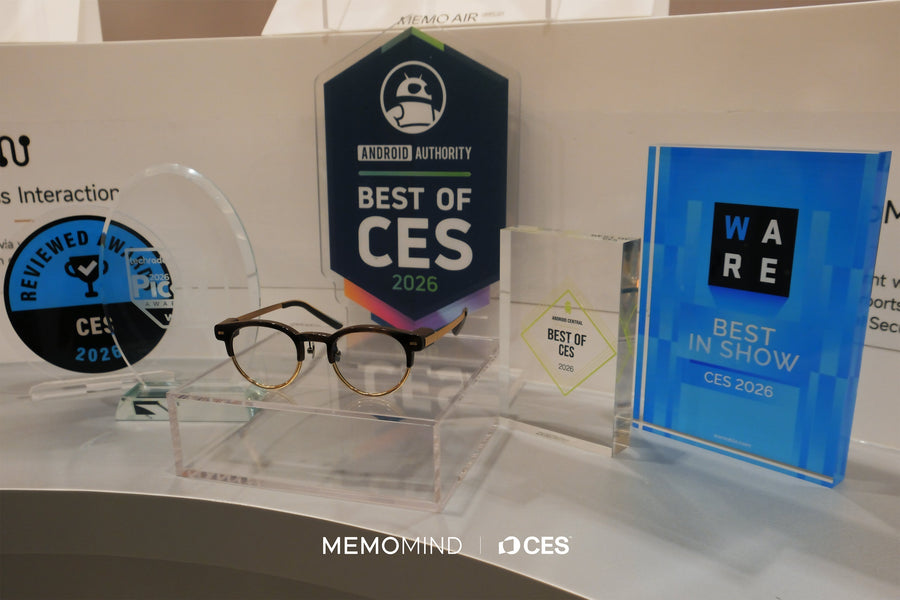
At CES 2026, XGIMI unveils MEMOMIND, its first venture into AI wearables. These ultra-lightweight AI glasses blend XGIMI's decade of opti...
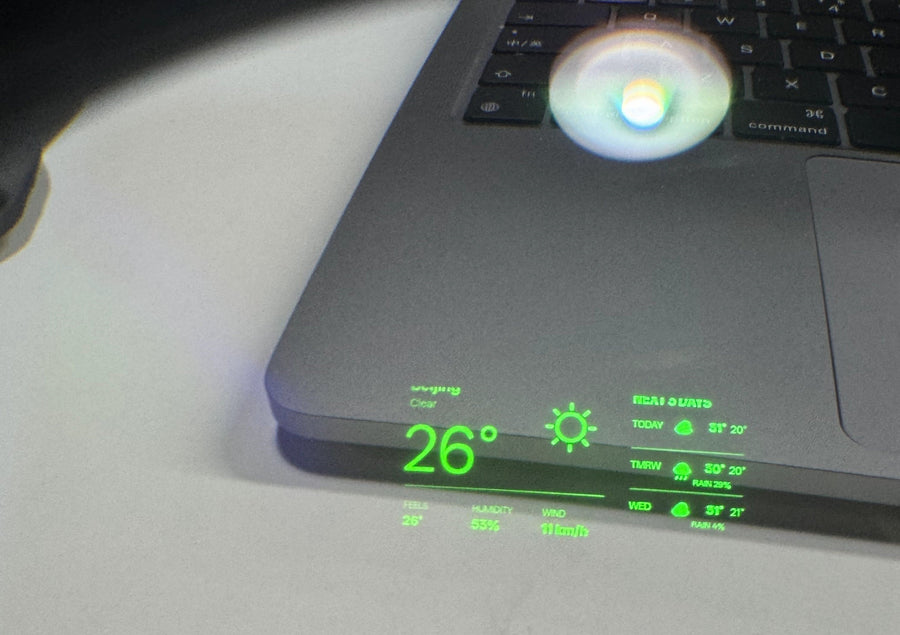
The MemoMind Open Platform is live on GitHub. Build your own apps for MemoMind One, test them in a simulator with no glasses, and connect...

In our Memo Lab announcement, we said we'd keep sharing protocol updates, reference code, and demo apps as the developer platform grows. ...
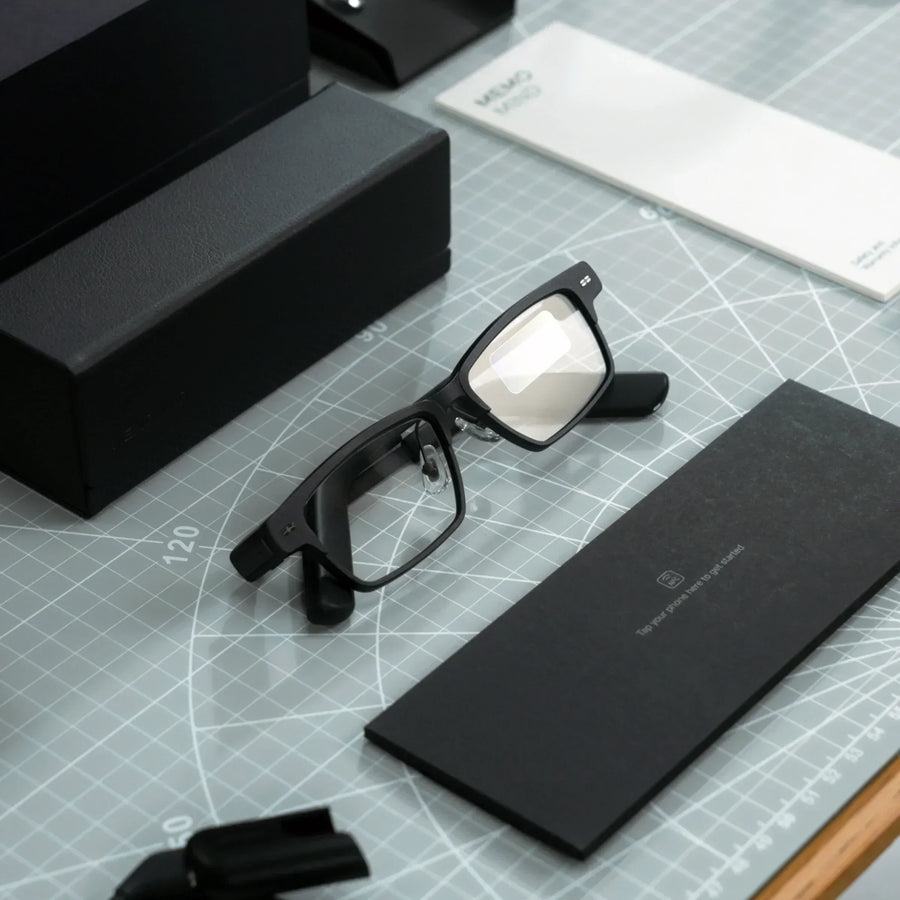
Memo Lab is the opt-in space inside MemoMind One where experimental AI glasses features live, from display calibration and screenshots to...
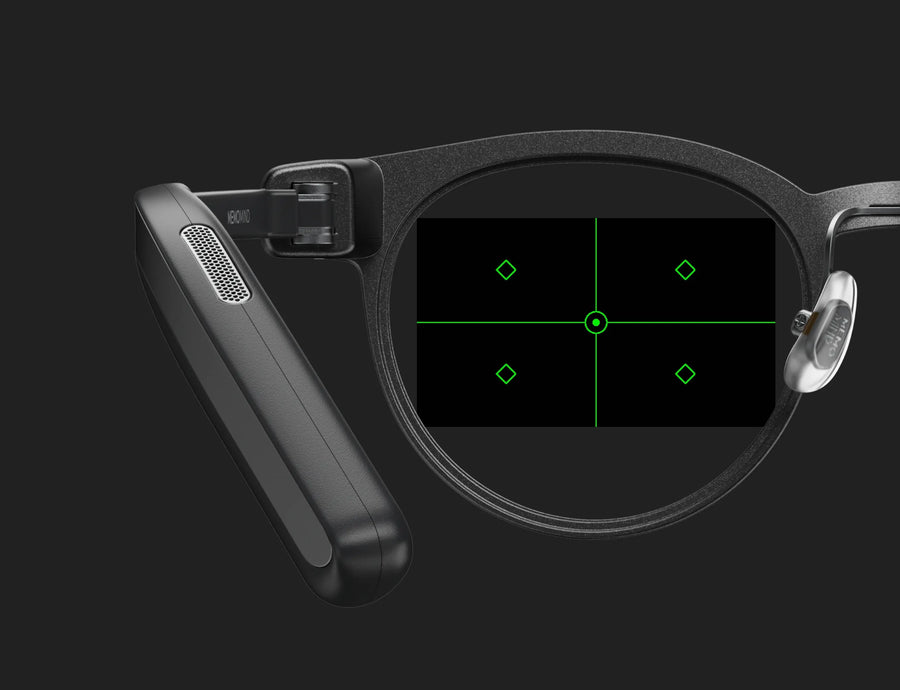
A MemoMind One tester noticed that the display looked clear with one eye but felt tiring with both eyes open. Here's how Display Alignmen...
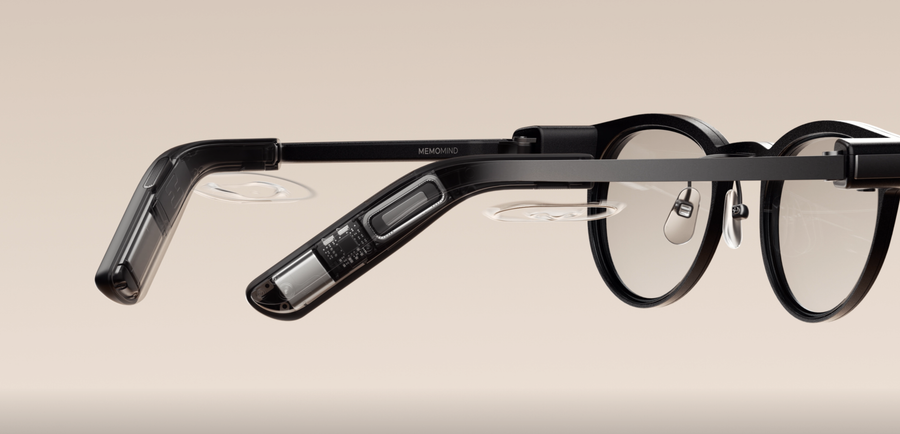
Three microphones plus self-developed MemoMind Audio AI: beamforming, ENC, ANR, wind suppression, echo cancellation, and voiceprint recog...
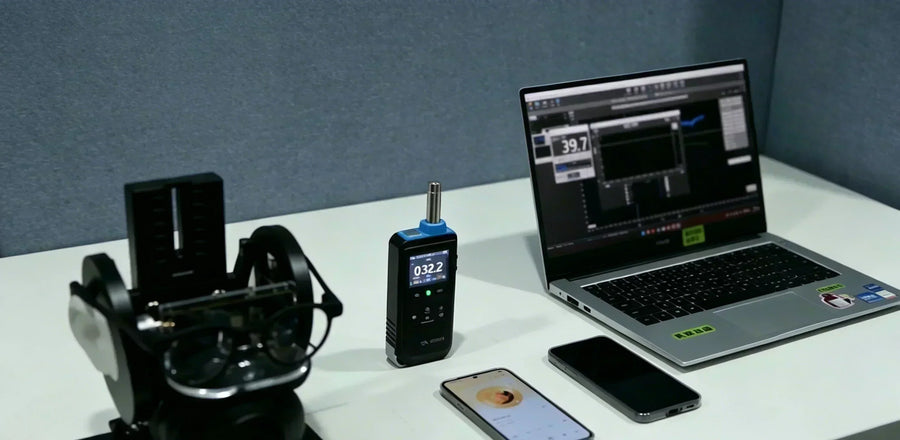
"Can Other People Hear Your AI Glasses?" Here's what our internal testing on MemoMind One actually found.
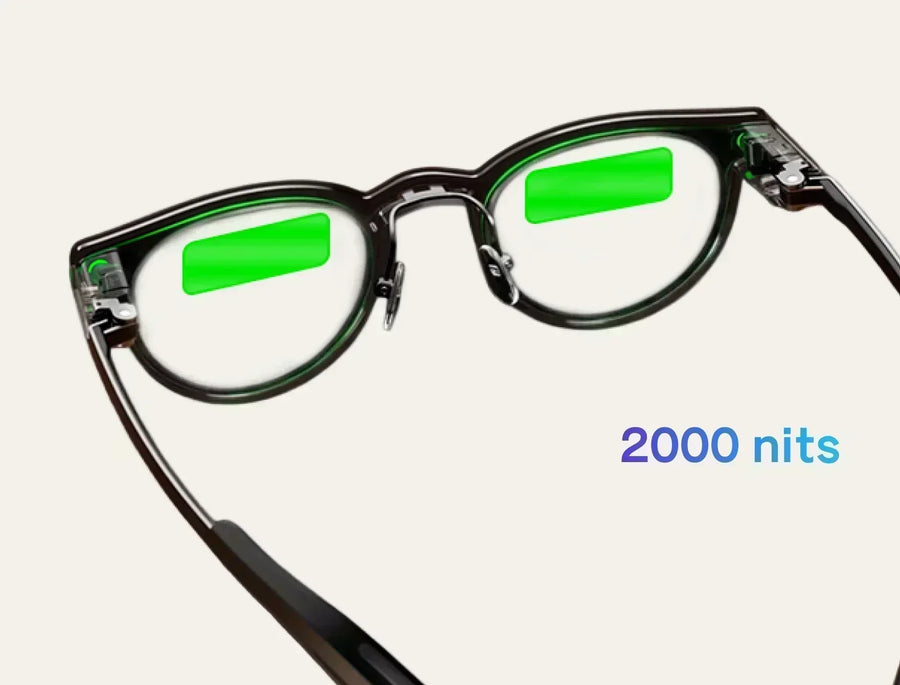
600×350 sounds low next to a phone, but smart glasses displays do a different job. We break down MemoMind One's Micro-LED engine, up to 2...
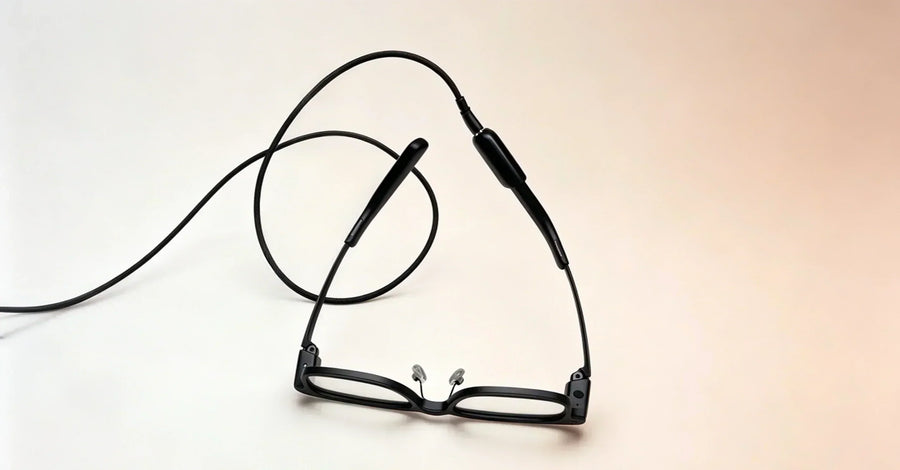
We put MemoMind One through 17 hours of mixed-use testing with AI Memory on. Here's what drains the battery, how fast it charges, and how...

MemoMind One is engineered to disappear into your life—featuring a lightweight titanium-alloy frame, all-day battery, and seamless AI int...
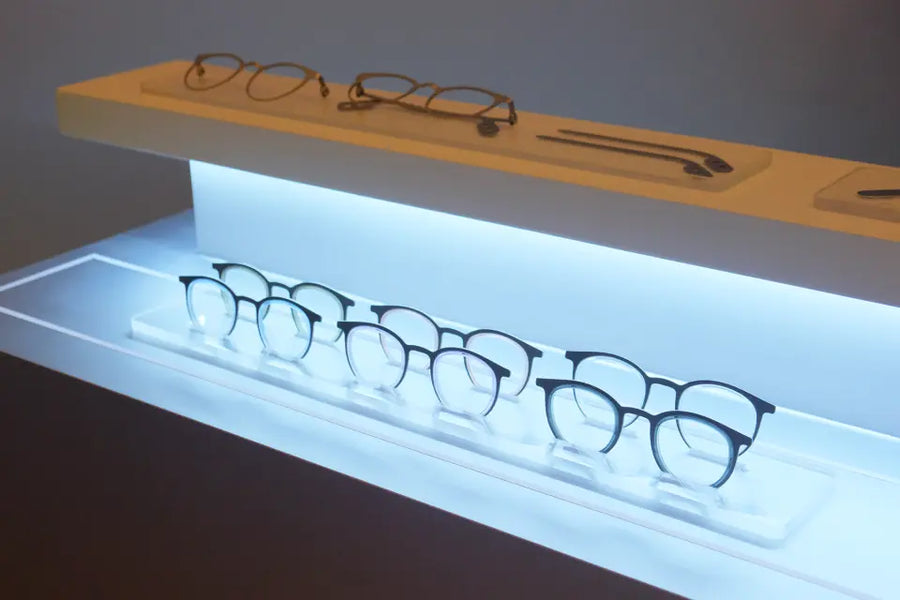
From Meta and Apple to MemoMind One, this reality check breaks down how wearable AI cures smartphone fatigue and why the computing market...

AI glasses aren't a single feature — they're a stack of technologies working together. This guide covers how AI glasses hear you, process...

AI glasses aren't just another wearable. Learn how they differ from smartwatches, AI rings, earbuds, and other AI wearables—and why conte...

Translation glasses, earbuds, and phone apps each offer a different way to communicate across languages. Compare their strengths, limitat...
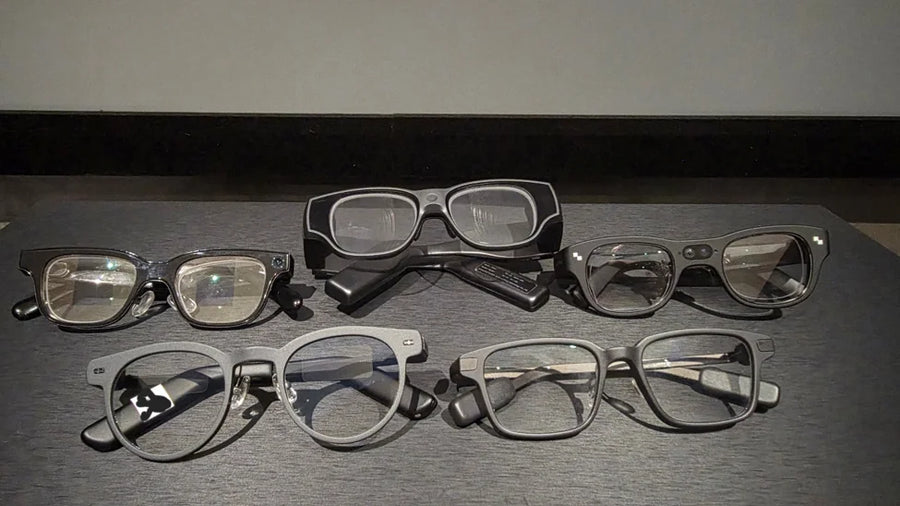
AI glasses with a display now range from 33g text-first frames to 76g standalone AR. Compare seven 2026 options by display, camera, audio...
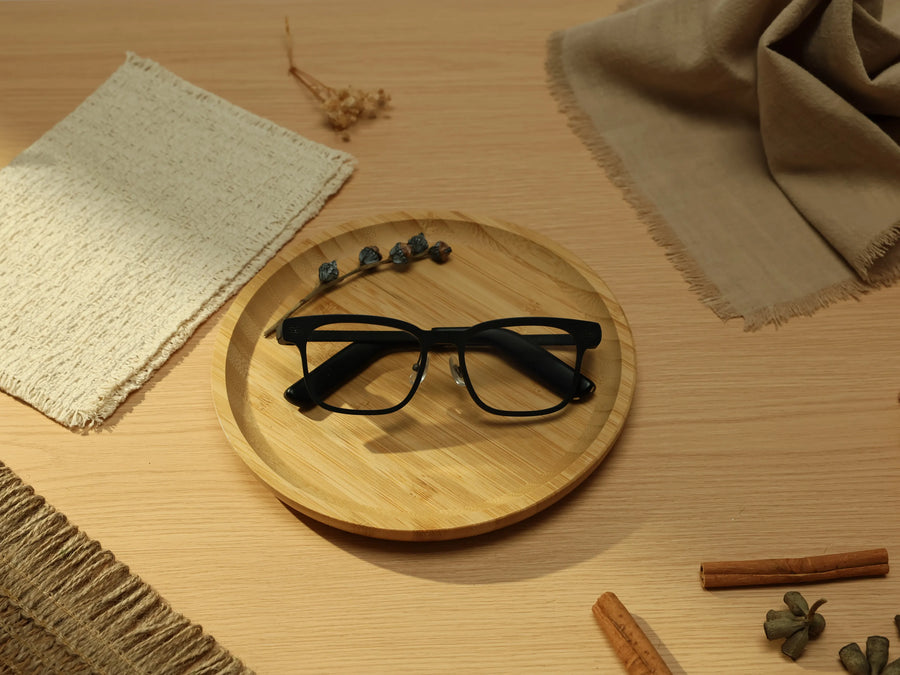
Two camera-free AI glasses compared side by side. MemoMind One brings built-in speakers and voice navigation. RayNeo iO brings a lighter ...
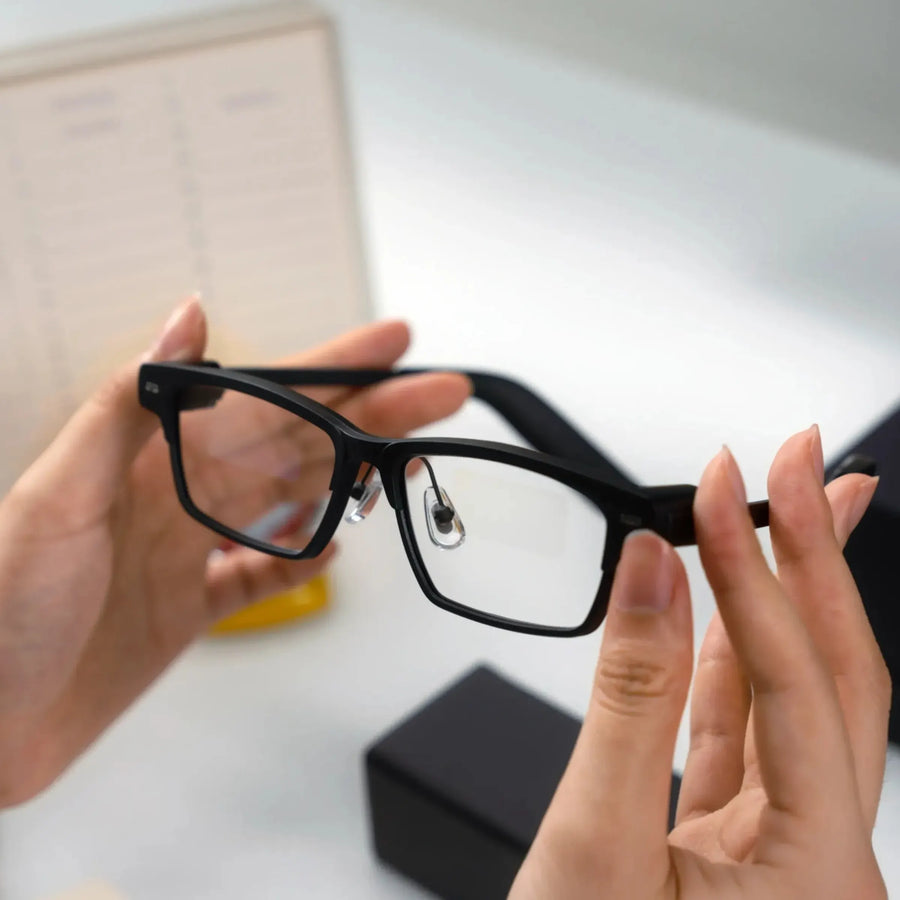
Smart glasses without a camera are a different product than camera-equipped models. Here's what you lose, what you keep, and why camera-f...
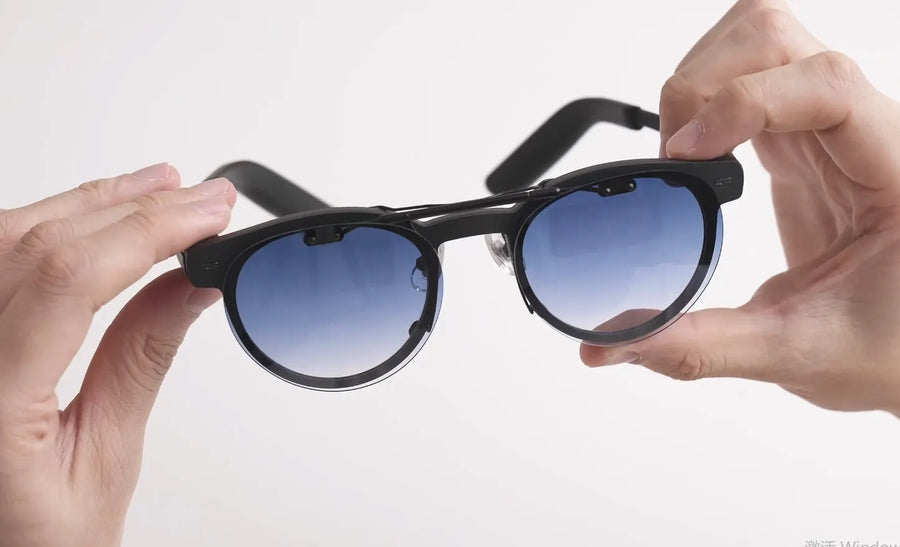
Gradient-gray clip-on sun lenses that attach to any MemoMind One frame via claw hook. Magnet-free, tool-free, and compatible with all thr...
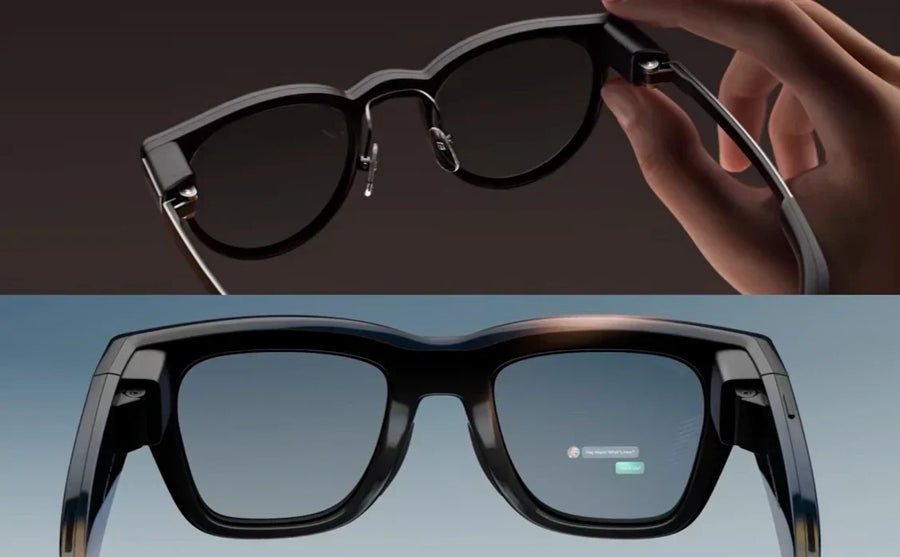
Not all AI glasses are built for the same job. We compare MemoMind One, Meta Ray-Ban Display, and Ray-Ban Meta Blayzer to help you find t...
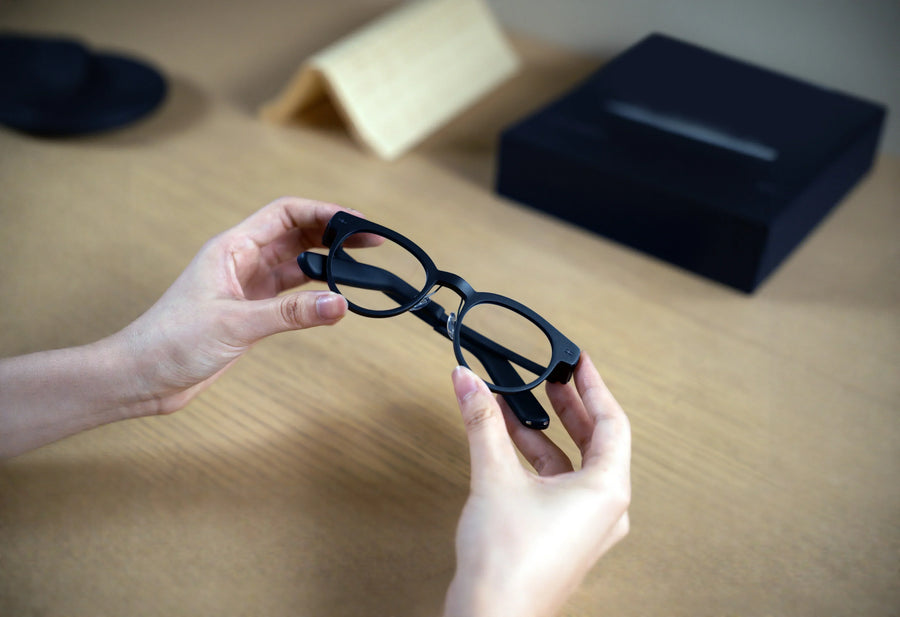
While the RayNeo X3 Pro and MemoMind One serve different roles in daily life, comparing them reveals crucial insights into what modern AI...
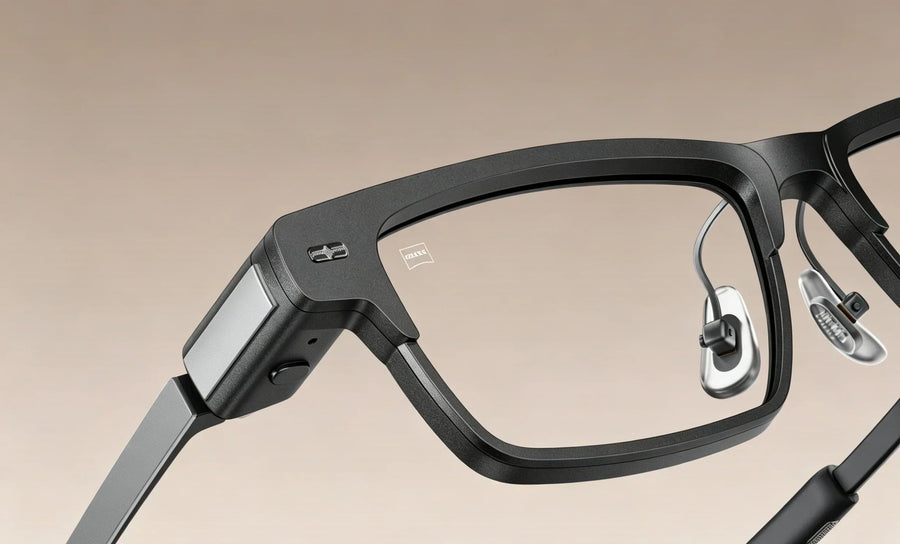
A practical guide to MemoMind One prescription lenses: how MemoMind One integrates prescription lenses, what PD affects, which ranges are...
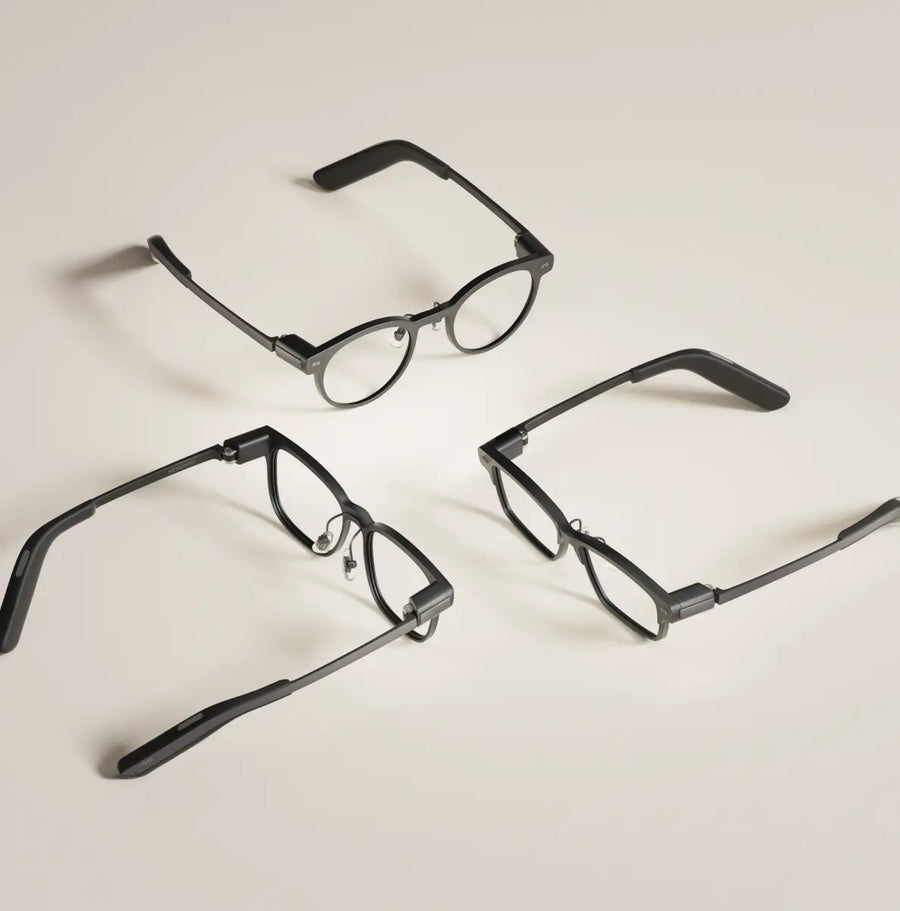
MemoMind is a camera-free AI smart glasses brand by XGIMI. Learn what MemoMind One does, how it compares to other AI glasses, its AI feat...
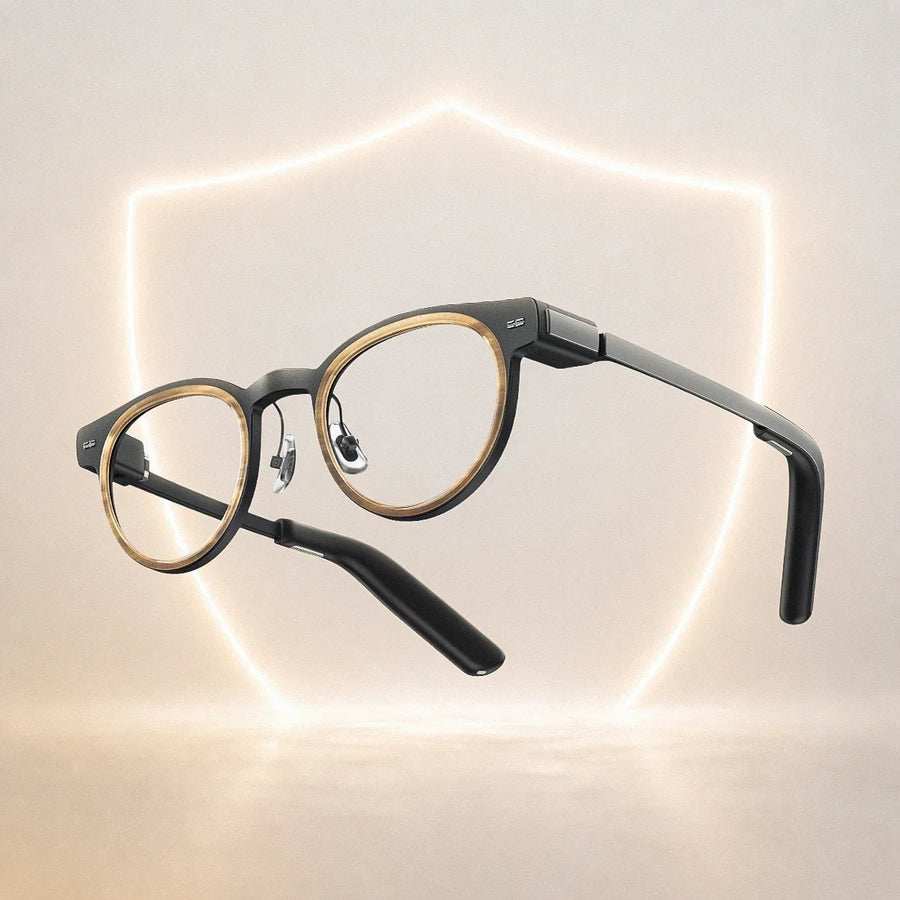
AI smart glasses can remember conversations, ideas, and daily context—but that raises important privacy questions. Learn what happens aro...
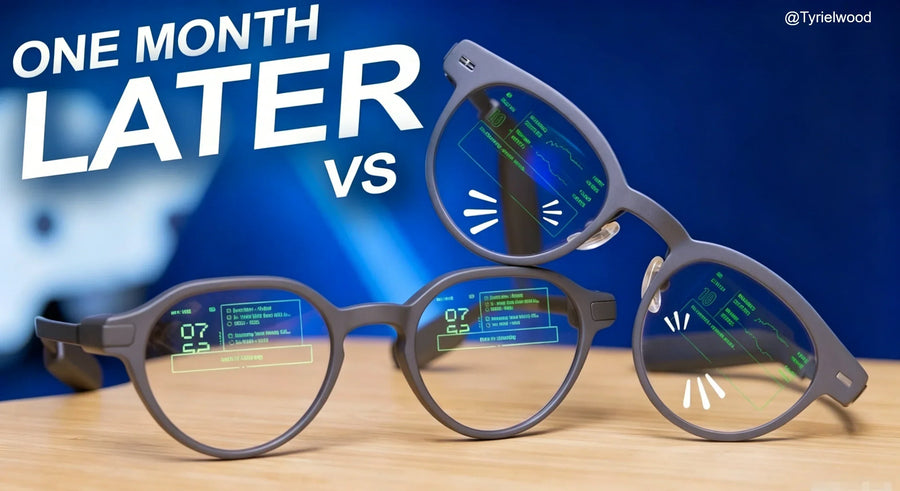
Display-only or display-plus-audio? Here's how to decide between MemoMind One and Even Realities G2 based on what actually matters for yo...
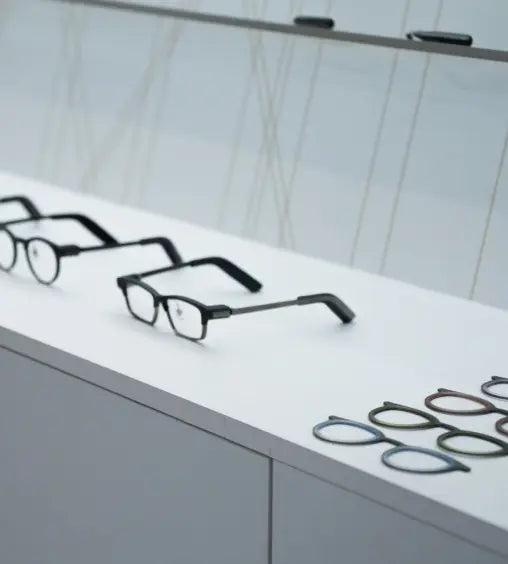
A real Reddit comparative review breaks down the head-to-head performance of the MemoMind One(DVT) against Even Realities G2. See which p...
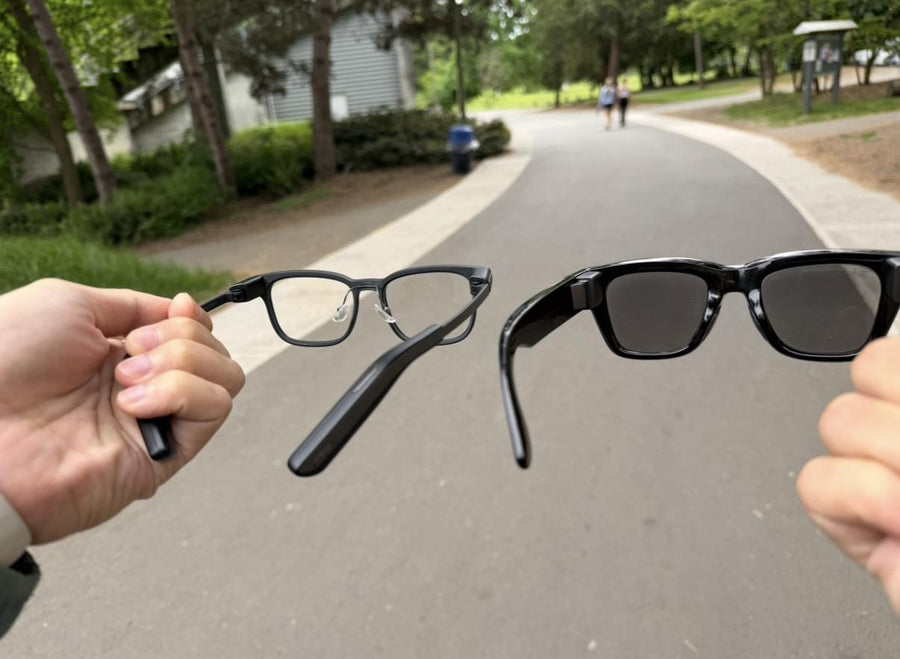
Meta Display or MemoMind One? A Meta Display user shares his honest verdict after 4 months — sunlight readability, two-way translation, a...

Moham doesn't just wear his AI glasses. He takes every call through them, listens to all his audio on them, and uses them to control his ...

She wears her glasses almost every waking hour, mostly at home. After months with two different AI glasses, here's what actually made a d...
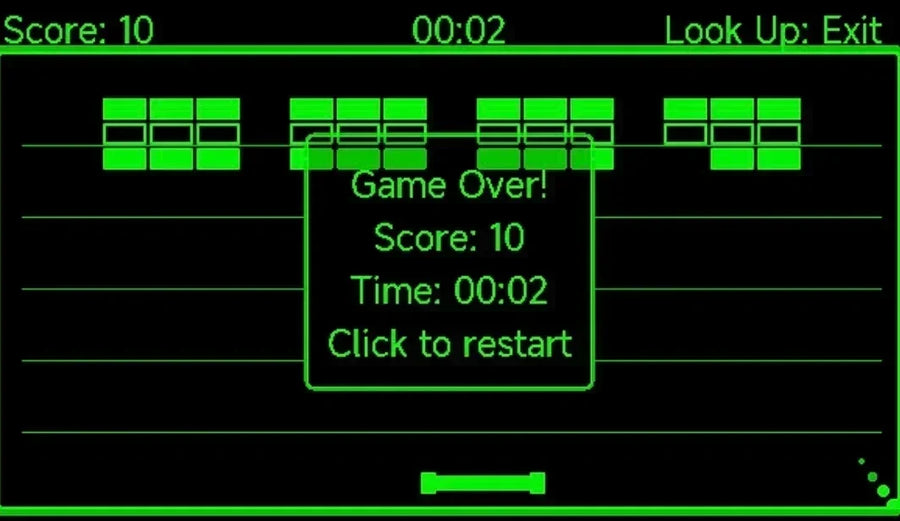
Learn how to unlock and launch these games instantly using the Memo Lab feature or by binding convenient head-gesture shortcuts in your s...

Say the name, Memo places the call. And while you talk, the other person's words stream in as text — right in your line of sight. No phon...
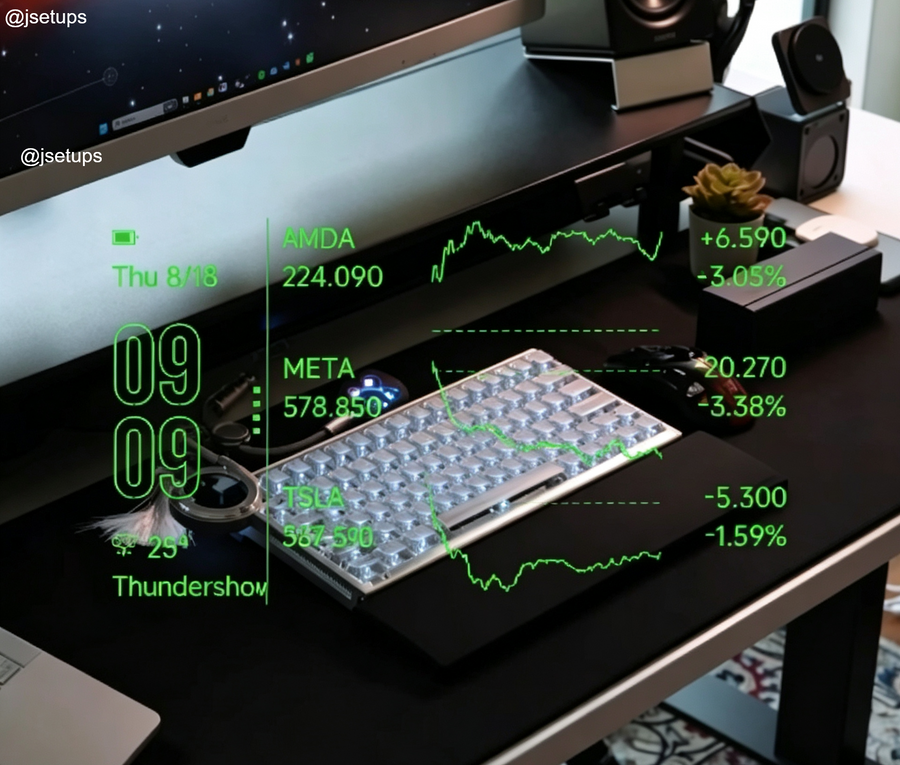
What should you actually see on AI glasses with a display? Explore MemoMind One’s customizable Dashboard, from everyday essentials to not...
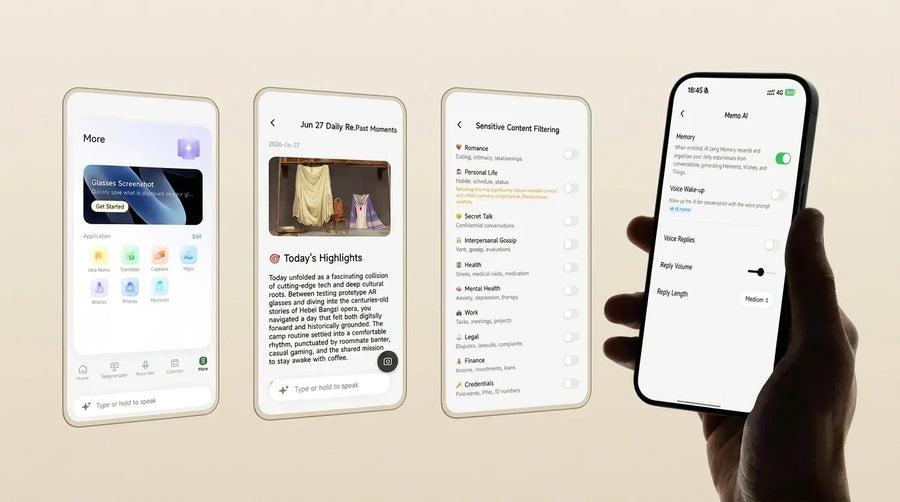
Most AI glasses tell you what's in front of you. Memo+ on MemoMind One remembers everything behind you — every conversation, every idea, ...
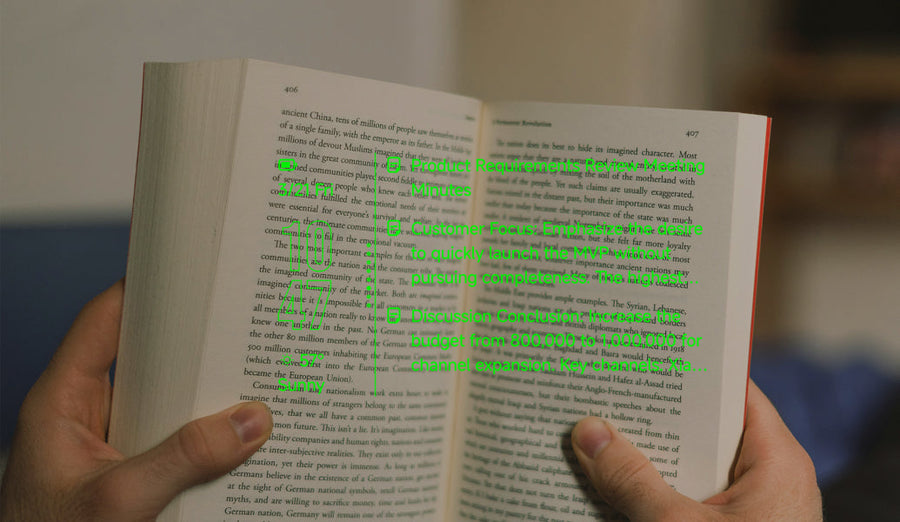
MemoMind One lets you capture ideas by voice, organize notes with AI, and find them when you need them.
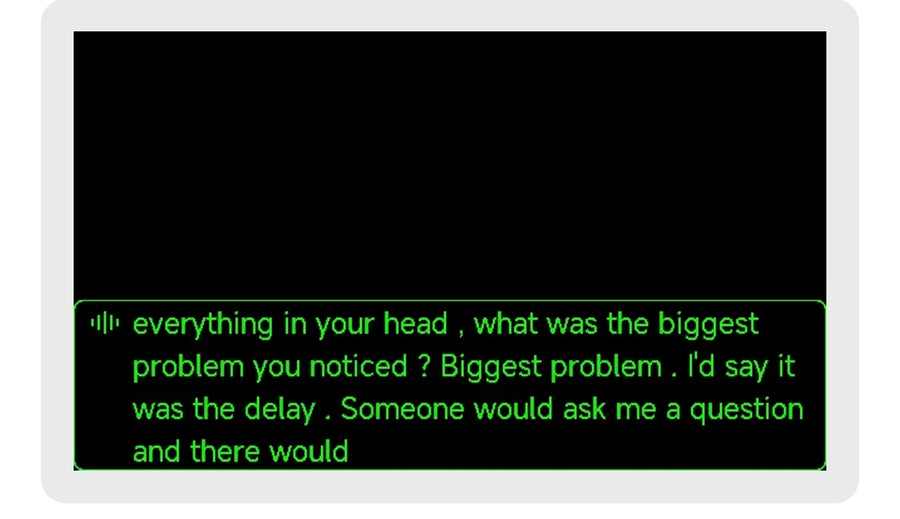
MemoMind One AI glasses project real-time captions directly into your field of view, helping you stay engaged, focused, and present in ev...

In a detailed review, an ADHD student shares how MemoMind One AI glasses fit into his workflow, helping him capture information, revisit ...

With MemoMind One's heads-up HUD display, you can follow routes, access translations, and stay present in the moment. Discover how our AI...

Ideas don't wait for you to open an app. See how MemoMind AI glasses turn a spoken thought into an organized task — before you even reach...
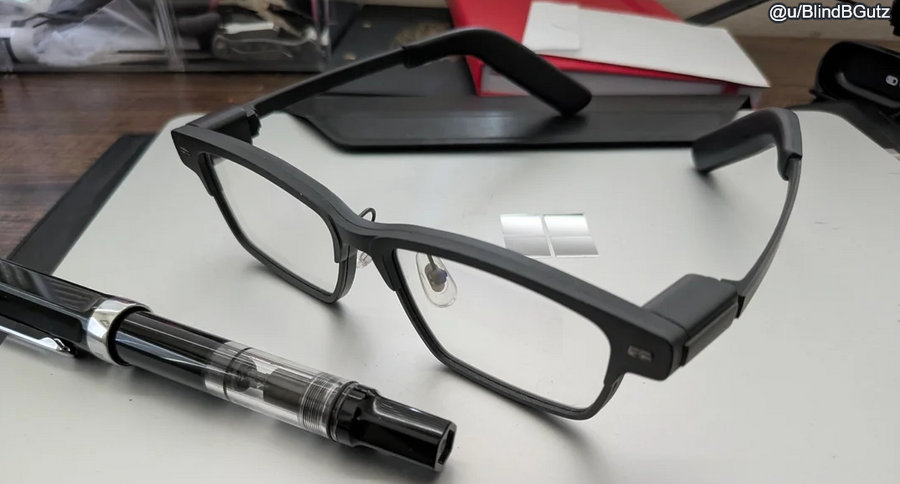
Some AI-powered features. One pair of glasses. A new way to live and work.
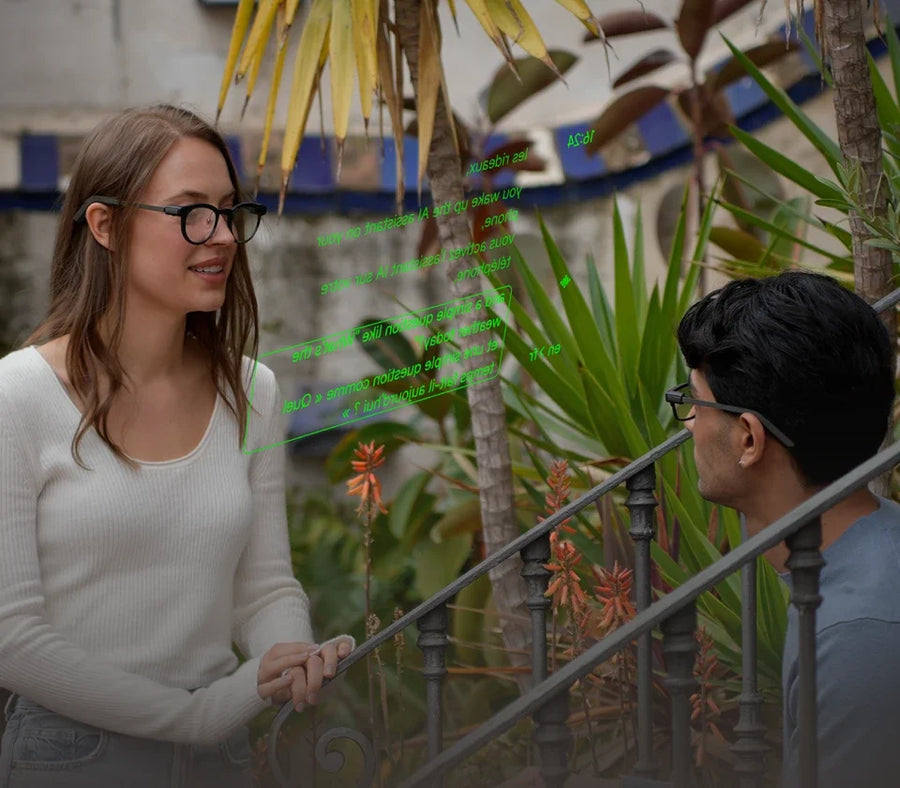
Explores how MemoMind AI glasses change the game—delivering real-time captions for 53 languages directly in your line of sight, so you ca...
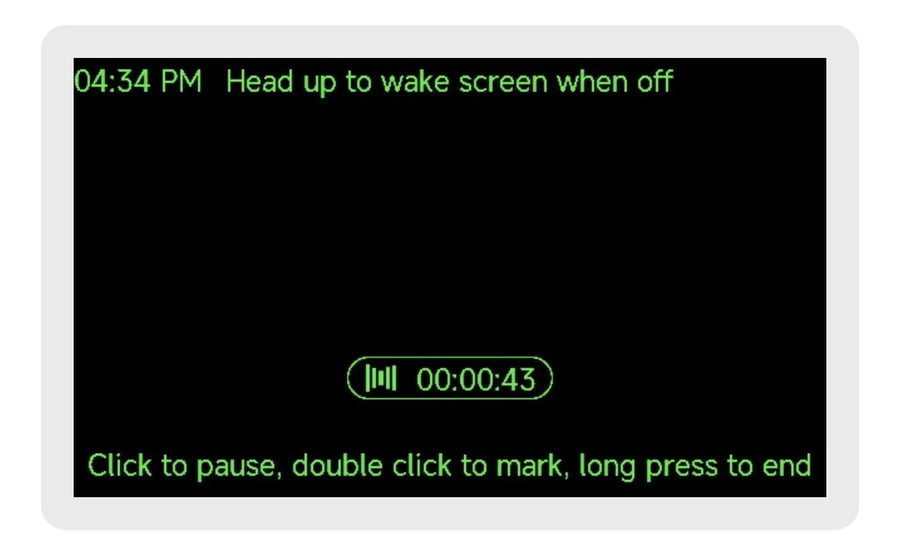
You used to choose between listening and remembering. MemoMind's audio-first recorder means you don't have to anymore.
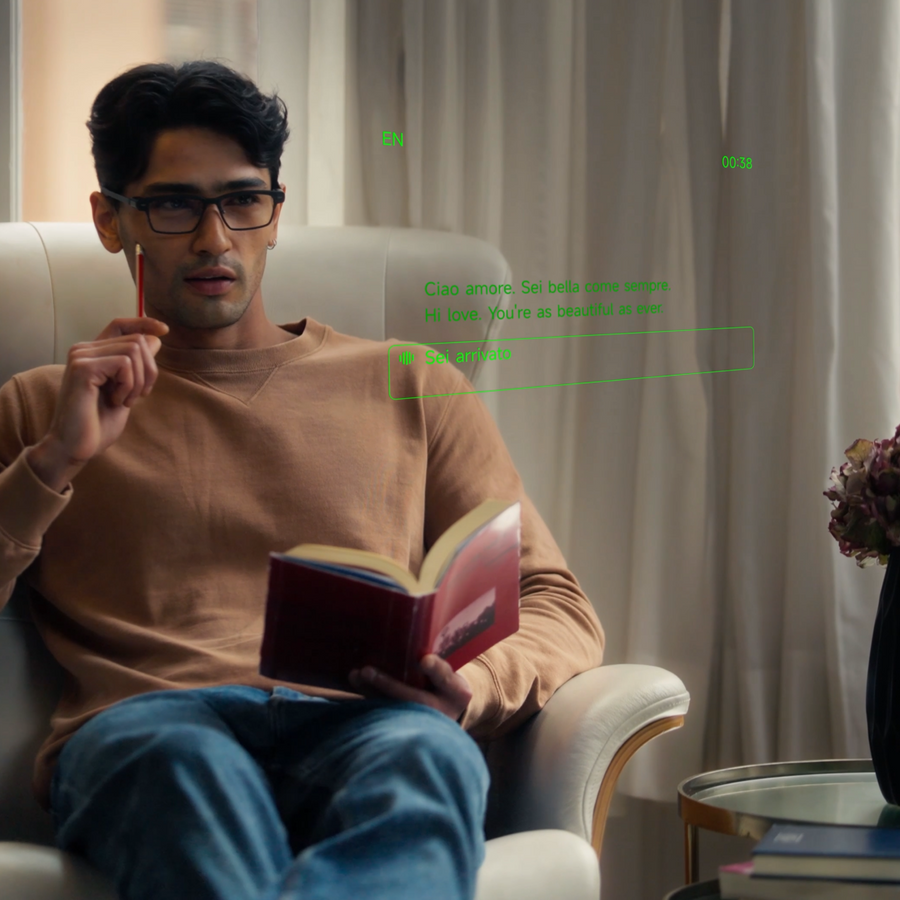
No wake word screaming at your phone, no menus—just "Hi Memo," and the answer's already in front of you.
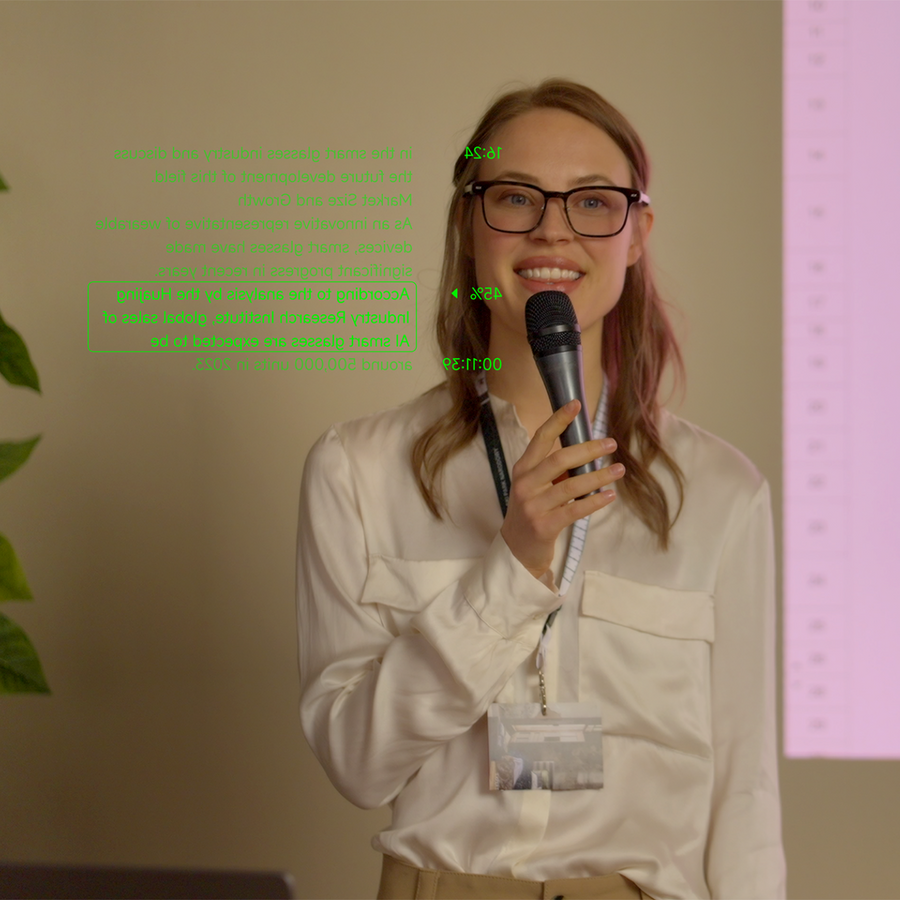
Your script moves at your pace, not a fixed scroll speed—so pauses, laughs, and slow-downs never break your place.