
Moment 1. When a Student Misses Part of a Lecture
For a high school student with ADHD and memory-related challenges, losing focus during a lecture can mean losing important information.
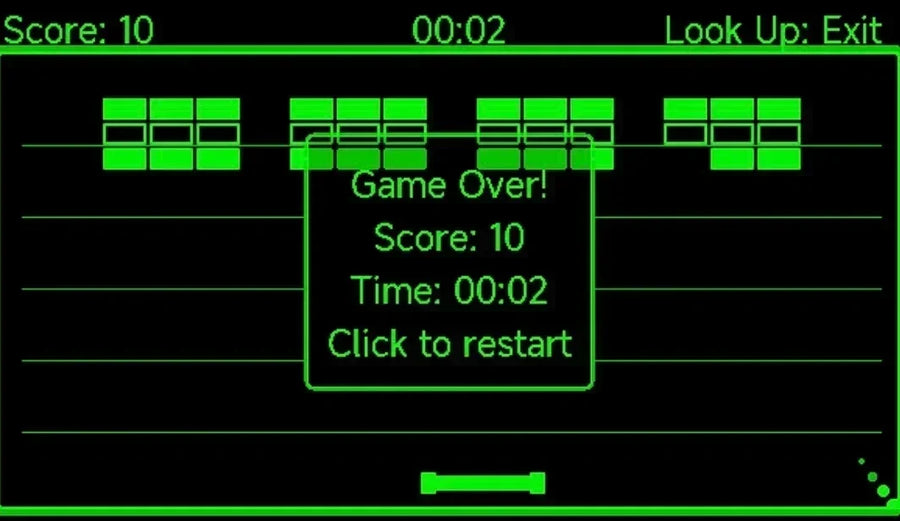
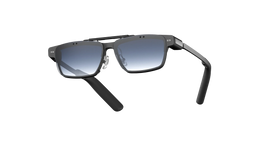
During a three-hour class, the reviewer used MemoMind One to continuously record and transcribe the lecture. When his attention drifted, he could simply glance at the display and see the last few lines of live captions—without taking out his phone or interrupting the class.
The AI summary helped afterward, too. He compared several summaries with his teachers and lesson content and found them consistently reliable.
For him, the biggest benefit wasn't any single feature. It was being able to recover information without breaking his focus.
There were trade-offs. Continuous recording and transcription drained the battery significantly, and he found the speakers better for voice content than music, with noticeable sound leakage.
Still, for the reviewer, the glasses became less like another device to manage and more like a quiet support system during class.

Moment 2. When a Presentation Suddenly Gets Easier
A physicist and glasses developer approached MemoMind One differently. Over two weeks, he tested everything from display brightness and speaker output to translation and Maps.
But the feature he kept coming back to was the teleprompter.
He used it during a postgraduate-class startup presentation in Portuguese, his non-native language. AI-follow mode kept the text moving even when he wasn't reading word for word, while the timer helped him stay on schedule.
He also showed the feature to nearly 20 professors, PhD students, and undergraduates. Most, he reported, found it useful.
It wasn't perfect. Similar lines could occasionally make the text jump, and the teleprompter's language settings were limited at the time. But all of these have been improved since the last update.
But the experience illustrates something important: sometimes the value of AI glasses isn't replacing another device. It's putting the right information exactly where you need it, at the moment you need it.
Moment 3. When "Add Cat Food" Is All It Takes
For a 60-year-old XR enthusiast, one of the most memorable experiences was also one of the simplest.
She could say: "Hi Memo, please add cat food to my list."
And it was done — the voice to-do list added the item automatically, no app opening or typing required.
She also tested translation with her daughter in Japanese and with a coworker in Spanish, describing the results as "pretty good (not perfect though)."
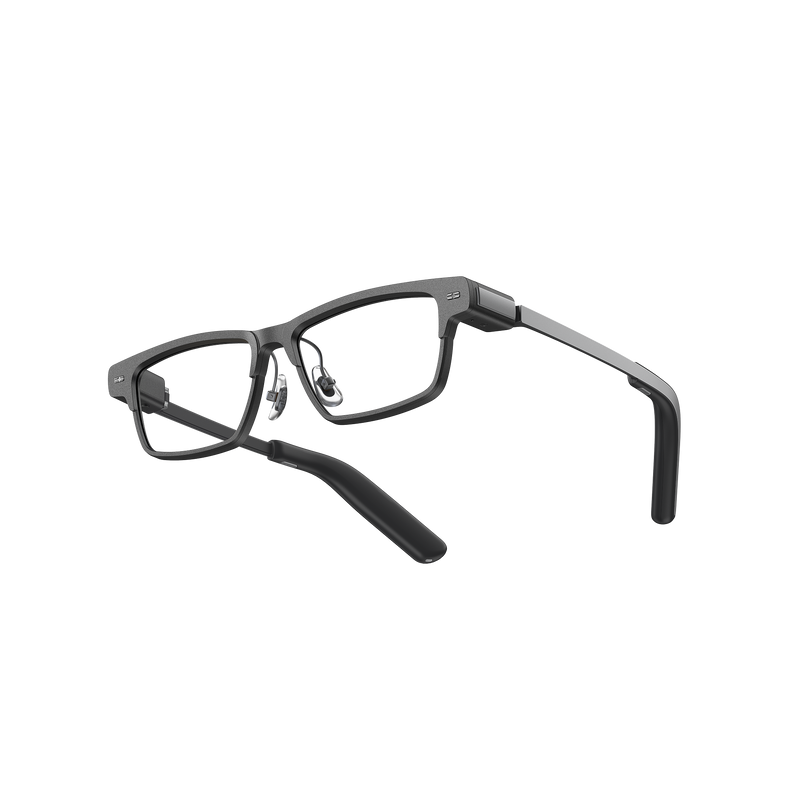
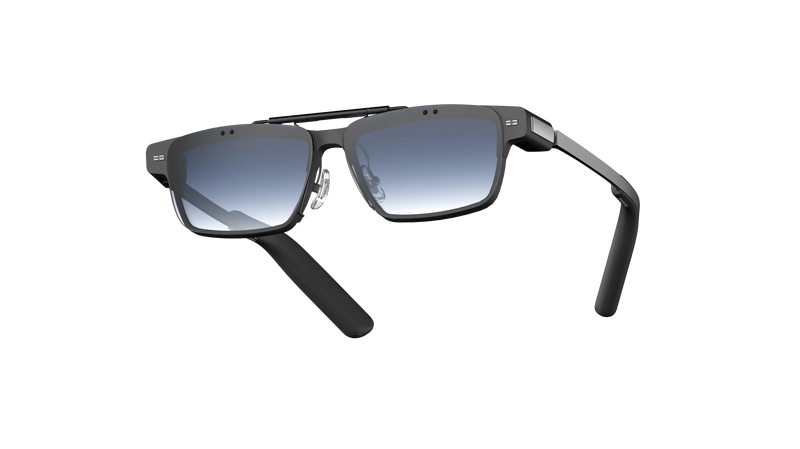
Comfort mattered just as much. At 46.6 grams, the reviewer found MemoMind One comfortable enough to wear throughout the day and more secure than Meta Wayfarers she had previously used.
She reported around 13 hours of continuous use during music and translation.
But she also missed having a camera, wanted physical volume controls, and experienced Bluetooth reconnection issues.
Her final verdict was simple: "All and all, I liked these glasses."

Moment 4. When Memory Becomes the Main Feature
For a legally blind and completely colorblind user, the most meaningful part of MemoMind One wasn't the display or the AI assistant by itself.
It was Memory Capture, Reminders, and Notes.
After around four weeks of use, he described the combination as a "personal memory assistant."
Being able to preserve information as it happened and return to it later helped reduce the effort of remembering everything in the moment.
A month later, he came back with another observation about Moments—the ability to look back through the day and revisit things he might have missed.
But his experience also highlighted an important limitation: bright outdoor conditions could make the HUD extremely difficult to see. He also wanted more accessibility customization, including adjustable font sizes and additional display options.
For him, the invisible intelligence glasses mattered because of what it enabled: more independence, with less information slipping away.