MemoMind One vs Even G2: Which Camera-Free AI Glasses Fit Your Daily Routine?
Last updated: August 17, 2026
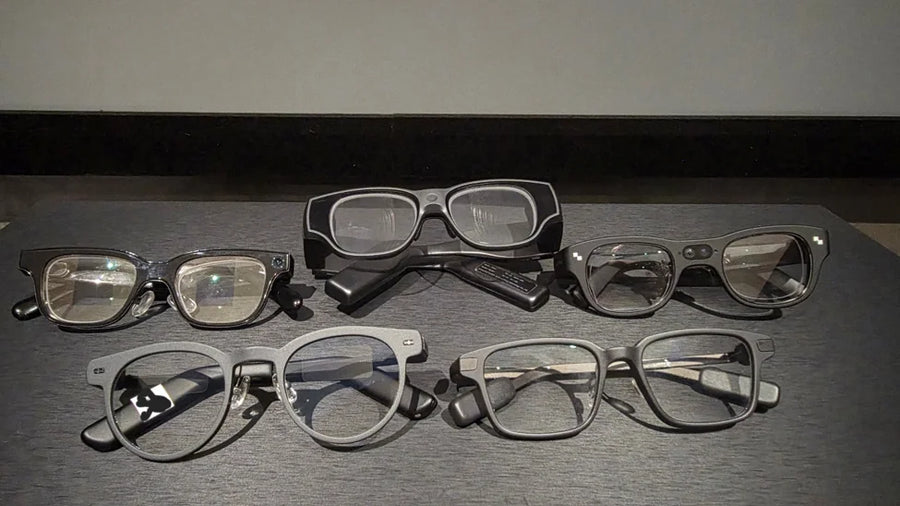
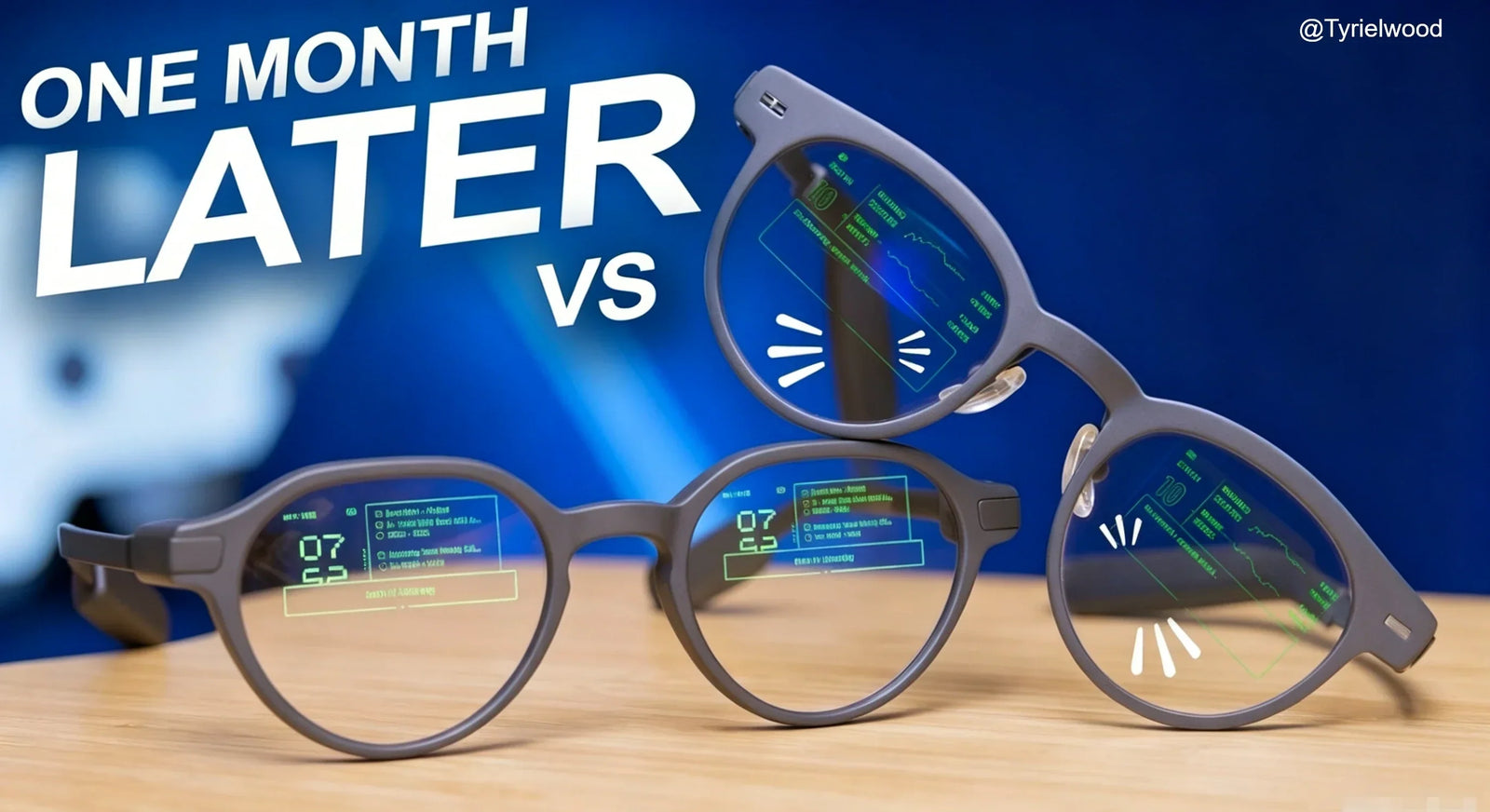
Recently, @Tyrielwood and @StevenSSullivan took a closer look at two camera-free AI glasses: the PVT-stage MemoMind One and the Even G2. If you are still undecided between these two models, here's what stood out.
MemoMind One vs Even G2: Key Specs Compared
Quick Answer: Both are excellent camera-free AI glasses, but they prioritize different experiences.
If your priority is comfort, simplicity, and a pair of glasses that feels as close as possible to traditional eyewear, Even G2 is an excellent choice. If you want your glasses to handle calls, meetings, notes, captions, and AI-assisted memory, MemoMind One offers a broader set of tools.
| Specification | MemoMind One | Even G2 |
|---|---|---|
| Camera | No camera | No camera |
| Display | Dual Micro‑LED HUD | Monochrome Micro‑LED HUD |
| Brightness | Up to 2,000 nits | 1,200 nits |
| Field of view | 25° | 27.5° |
| Audio | Harman AudioEFX open‑ear audio | No built‑in speakers |
| Microphones | 3 microphones | 4 microphones |
| Meetings | AI Recorder, captions, summaries, Idea Notes | Captions, Conversate, teleprompter |
| Translation | AI Translator with display and audio | On-screen translation |
| Battery | 16+ hours mixed use | Up to 2 days of regular use |
| Weight | 46.6 g | 36 g |
| Control | Voice, temple button, and head gestures | Temple touch controls + optional R1 ring |
| Charging | Portable clip‑on charger + USB‑C cable | Charging case |
| Starting price | From $399 during Kickstarter | From $599 before optional accessories |
How Two No-camera Smart Glasses Compare in Everyday Use
Calls: Built-In Audio Changes the Use Case
Calls are where these two glasses start to feel very different: MemoMind One includes built-in open-ear audio, while Even G2 does not include speakers on the glasses.
That makes MemoMind One more practical if you want one device for caller information without reaching for your phone or putting in a pair of earbuds. If your MemoMind One is paired with your phone, you can also continue using regular Bluetooth earbuds for calls, music, or podcasts when you prefer a more private listening experience. And when Memo+ Memory is enabled, your calls can also be summarized for later reference. That can be especially useful when you're commuting, moving between meetings, traveling through an airport, or simply have your hands full.
Even G2 can still show call-related information, but the audio side needs another device, such as your phone or earbuds. That is not necessarily a flaw. Some buyers will prefer Even's quieter hardware approach because it keeps the glasses lighter and less like an all-in-one audio wearable.
Meetings and Ideas: The Difference After the Conversation Ends
A good productivity tool should do more than help you during a conversation. It should also help you remember what happened after it's over.
Both MemoMind One and Even G2 can provide glanceable information while you're wearing them. The difference is what happens next.
With AI Recorder, AI Captions, summaries, and Memo+, MemoMind One can support the entire workflow, from following a conversation in real time to reviewing key details later. Meeting notes, action items, names, and follow-up tasks can stay connected instead of disappearing into different apps or scattered notes.
Even G2 takes a different approach. Its software ecosystem is more mature, and its strength lies in delivering information through a lightweight, display-first experience. If your goal is quick access to prompts, notifications, and visual guidance, that approach may be exactly what you're looking for.
The same difference shows up outside formal meetings. A useful idea can appear while you're commuting, walking between appointments, or waiting for a coffee. MemoMind One lets you capture those thoughts through voice interaction before they disappear.
One advantage both products share is privacy. Because neither device includes a camera, both feel more comfortable in meeting rooms and shared workspaces than camera-based smart glasses. If you use audio recording features, however, it's still important to let people know when recording is enabled and to follow local privacy regulations.

Outdoor Display: MemoMind Has the Brighter Listed Screen
MemoMind One lists up to 2,000 nits peak brightness. Even G2 lists 1,200 nits. Even G2 has a slightly wider 27.5-degree field of view, while MemoMind lists 25 degrees.
You'll probably notice the difference more outside than you will in an office. If you're checking walking directions, reading a translated phrase on a sunny street, or glancing at a notification while moving between places, higher brightness can make information easier to pick out without stopping to look at your phone.
That doesn't make MemoMind One's display universally better. Even G2's wider field of view can be useful when you want more visual information at once.
Comfort and Controls: Weight vs Functionality
Even G2 is lighter at 36 g. It also has two buyer-friendly advantages: the optional R1 ring for discreet control and an included charging case, which can simplify controlling, charging and storage.
MemoMind One weighs 46.6 g because it carries more hardware, including open-ear audio. That trade-off is worth considering, honestly. Whether that trade-off is worth it depends on how you plan to use your glasses.
Even's R1 ring is a strong accessory, but MemoMind is not limited to one control path. MemoMind One supports voice, button, and gesture interactions. MemoMind One will also support the standard Bluetooth HID protocol, expanding the range of compatible input devices beyond a single proprietary controller.
It's also worth noting that earlier comparisons were based on a DVT-stage device. As MemoMind One moves closer to production, comfort, controls, and software are areas worth revisiting. Even Reality does benefit from a more mature software ecosystem and a longer product history, which can be reassuring for buyers who prefer a platform that's already gone through multiple rounds of updates.
Price: Compare the Full Setup
As of the date of this blog update, the Even G2 is priced starting at $599 on its official website. The optional R1 ring adds cost, and prescription needs or accessories can raise the final total.
MemoMind One campaign pricing starts from $399, with higher tiers for customization and prescription options. Prices can change after crowdfunding ends on August 27th, so if you choose to buy these smart glasses with display and no camera, please check the latest package details on the MemoMind One offical website.
At the current entry price, MemoMind One offers more built-in features without requiring additional accessories, making it an attractive alternative for buyers comparing the two devices.
FAQs
Is MemoMind One better than Even G2?
That depends on how you plan to use your glasses. If you want a lightweight display for notifications, navigation, and quick information, Even G2 is an excellent choice. If you want your glasses to support calls, meetings, note-taking, AI memory, and other productivity tasks, MemoMind One offers a broader feature set.
Does Even G2 have speakers?
No. Even's official G2 Q&A says Even G2 does not include speakers. That helps keep it lighter, but calls, spoken AI answers, audio cues, and media need another device.
Are MemoMind One and Even G2 camera‑free?
Yes. Neither MemoMind One nor Even G2 includes an outward-facing camera. For many users, that makes camera-free smart glasses feel more comfortable in workplaces, meetings, and other shared environments.
Related Blogs
More MemoMind stories from the same category.