Où sont stockées vos données ? Guide de contrôle de la confidentialité et de l'enregistrement de MemoMind One
Points clés à retenir :
- Protection à double couche : Garantit à la fois la confidentialité des tiers et l'autonomie absolue de vos données.
- Conception sans appareil photo : Élimine les frictions sociales en utilisant une capture de mémoire uniquement audio.
- Identification vocale : Isole votre voix pour éviter l'enregistrement de conversations accidentelles en arrière-plan.
- Filtrage de contenu sensible : Définissez à l'avance des catégories restreintes afin que les données sensibles ne soient jamais collectées.
- Enregistrement contrôlé par l'utilisateur : Gérez vos limites avec des commutateurs 24h/24 et 7j/7 et des plannings personnalisés "Pas d'enregistrement".
- Avantage de la confidentialité d'abord : Nous priorisons la souveraineté des données pour construire une confiance éthique et durable avec les utilisateurs.
L'idée de cet article est née d'un examen détaillé sur YouTube des lunettes IA MemoMind One par un critique technologique qui a passé du temps à explorer l'appareil.
Intéressé par MemoMind One ? Outre ses capacités d'IA avancées, nous prenons votre vie privée au sérieux. Voici comment nous nous assurons que vos données restent les vôtres, pas les nôtres.
Comprendre les deux types de confidentialité dans les lunettes connectées IA
Aujourd'hui, comme le dit Purdue Global, "Les lunettes connectées soulèvent de multiples problèmes de confidentialité, notamment la confidentialité des tiers, la capture de données et les préoccupations en matière de surveillance."
Pour certaines personnes, la vie privée signifie protéger les gens autour d'eux. L'appareil peut-il enregistrer des inconnus ? Y a-t-il une caméra ? Quelqu'un pourrait-il être filmé sans s'en rendre compte ?
Pour d'autres, la vie privée est plus personnelle. Si un appareil d'IA aide à capturer des souvenirs, des conversations et le contexte quotidien, qui décide ce qui est enregistré, quand l'enregistrement a lieu, et quelles parties de la vie doivent rester privées ?
Ces deux préoccupations sont souvent discutées ensemble, mais elles nécessitent des solutions différentes.
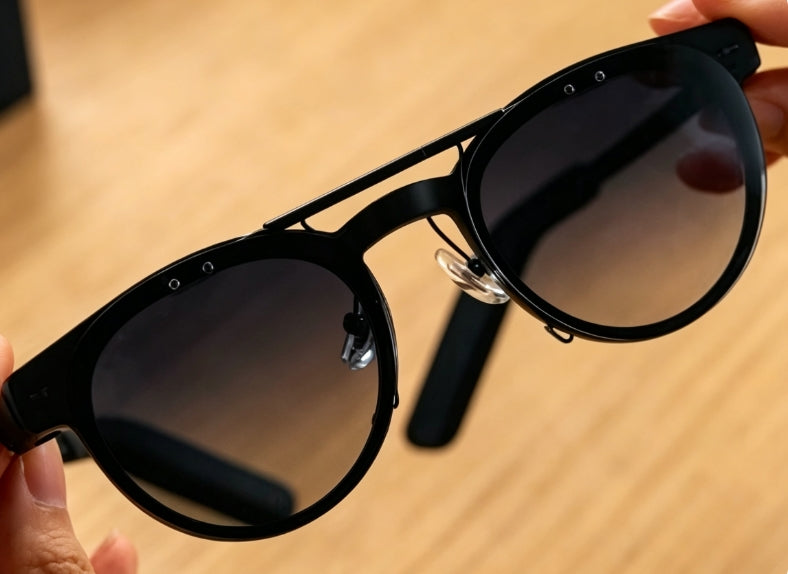
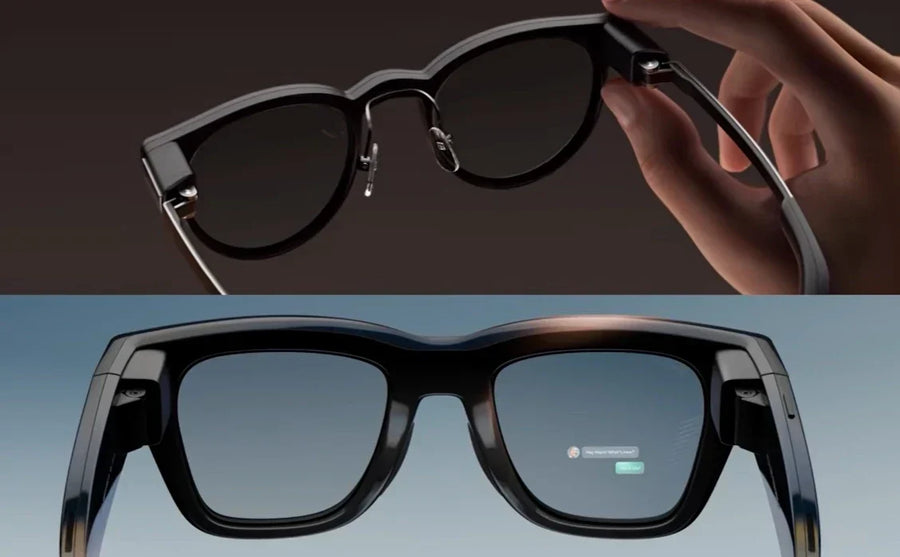
De nombreuses lunettes connectées traitent la confidentialité des tiers par le biais d'indicateurs d'enregistrement visibles, de systèmes de notification ou de commandes de caméra. MemoMind a choisi de renoncer à un appareil photo intégré comme première étape. En se concentrant sur la capture de mémoire basée sur l'audio, MemoMind évite de nombreuses préoccupations associées à la capture visuelle toujours disponible.
Bien que l'absence d'appareil photo puisse réduire la probabilité que d'autres se sentent offensés, les préoccupations en matière de confidentialité concernant les appareils portables d'IA surviennent dans divers contextes ; ainsi, les problèmes de confidentialité entourant les lunettes connectées — telles que MemoMind — franchissent une nouvelle étape en se concentrant sur le contrôle des données personnelles et sur la manière dont elles sont collectées, utilisées et partagées.
MemoMind One donne aux utilisateurs le contrôle de leur vie privée
Pour de nombreux utilisateurs, la vie privée ne consiste pas à empêcher complètement la capture de mémoire. Il s'agit plutôt de fixer des limites.
Regardez l'avis original sur YouTube ci-dessous.
Qui est enregistré ?
L'un des défis auxquels sont confrontés les dispositifs de mémoire IA est de distinguer les informations qui appartiennent à l'utilisateur des conversations qui se déroulent autour de lui.
Dans des environnements partagés tels que les bureaux, les cafés, les transports en commun ou les réunions de famille, plusieurs voix peuvent être présentes en même temps. Sans garde-fous, l'enregistrement de certaines conversations en arrière-plan peut créer des problèmes de confidentialité inutiles.
En tant qu'option de lunettes intelligentes sans appareil photo, MemoMind propose l'identification vocale. Lorsque cette fonction est activée, l'appareil n'enregistre que la voix de l'utilisateur, empêchant l'enregistrement accidentel de souhaits, de tâches ou de détails de rapports provenant d'autres personnes dans la conversation.
Cette approche soutient deux objectifs à la fois. Elle améliore la qualité des souvenirs capturés tout en réduisant la probabilité que des conversations non pertinentes fassent partie des enregistrements personnels d'un utilisateur. En pratique, cela contribue à créer une expérience de mémoire qui semble plus pertinente, mieux organisée et plus respectueuse des limites personnelles.
Quelles informations doivent rester privées ?
Toutes les conversations ne méritent pas de faire partie d'un enregistrement de mémoire permanent.
Les gens ont naturellement des niveaux de confort différents en ce qui concerne l'enregistrement d'informations personnelles. Un utilisateur peut vouloir de l'aide pour se souvenir de discussions professionnelles tout en préférant ne pas stocker de détails sur des questions familiales, financières, juridiques ou des conversations liées à la santé.
La fonction de filtrage de contenu sensible de MemoMind peut aider à atteindre cette réalité. Cette fonction permet aux utilisateurs de définir de manière proactive des catégories de contenu qu'ils préféreraient exclure de la collecte de mémoire.
Cette approche reflète un principe important de confidentialité : la meilleure façon de protéger les informations sensibles est souvent d'éviter de les collecter dès le départ.
Quand l'enregistrement doit-il s'arrêter ?
La vie privée ne concerne pas seulement le contenu. Elle concerne aussi le contexte.
MemoMind permet aux utilisateurs de contrôler si la capture continue de mémoire est activée par son contrôle d'enregistrement 24h/24 et 7j/7. Les utilisateurs peuvent désactiver la fonction "enregistrement 24h/24 et 7j/7" à tout moment. Même lorsque la fonction d'enregistrement de mémoire est active, des paramètres de filtrage peuvent être définis.
De plus, MemoMind donne aux utilisateurs un contrôle direct sur le moment où la capture de mémoire est active grâce à des contrôles d'enregistrement manuels et à des horaires "Sans enregistrement" planifiés. Les utilisateurs peuvent désactiver l'enregistrement continu quand ils le souhaitent, ou créer des plannings récurrents qui suspendent automatiquement la capture de mémoire à des heures et des jours spécifiques.
Ce contrôle aide à transformer la confidentialité d'un paramètre unique en une limite continue qui peut s'adapter aux différentes parties de la vie quotidienne.
Alors que nous explorons le marché croissant des lunettes intelligentes axées sur la confidentialité, des fonctionnalités telles que l'enregistrement sélectif, le filtrage de contenu sensible et les plannings d'enregistrement personnalisables pourraient devenir tout aussi importantes que les capacités de l'IA elles-mêmes. Les appareils qui gagneront une confiance à long terme seront probablement ceux qui donneront aux utilisateurs un contrôle significatif sur la façon dont la capture de mémoire s'intègre dans leur vie.
FAQ
MemoMind One est-il sûr pour les environnements de travail ?
Cela dépend de l'appareil et des contrôles de confidentialité disponibles. Lorsque vous portez MemoMind One, des fonctionnalités telles que l'identification vocale, le filtrage de contenu et les plannings d'enregistrement peuvent aider les utilisateurs à maintenir des limites plus claires dans les environnements professionnels.
Puis-je programmer l'arrêt de l'enregistrement des lunettes MemoMind One ?
Oui. La fonction "Pas d'enregistrement" de MemoMind permet aux utilisateurs de créer des plannings récurrents qui désactivent automatiquement la capture de mémoire pendant les heures et les jours sélectionnés.
Related Blogs
More MemoMind stories from the same category.