If you've come across MemoMind One, you may be asking whether it's legit: is it a real product, do the features work, and is it worth the money?
Yes, it’s real. MemoMind One is a pair of camera-free AI glasses that has been through a beta tester program and a crowdfunding campaign, is now on sale on the official website, and is shipping, with some customers already wearing theirs. This article covers what you may want to know before you buy so you can settle any last doubts.
What is MemoMind One
MemoMind One is a smart wearable in the form of AI glasses, made by MemoMind, a brand incubated by XGIMI. Instead of a camera, the glasses use a small in-lens display (green monochrome Micro-LED, 25° field of view) to show notifications, navigation prompts, translations, and AI responses. The idea is to give you useful information at a glance, so you don’t have to take out your phone every time.
That makes it a different category from AR and XR glasses, which place 3D graphics in the space around you. MemoMind One puts text and prompts in a small display in your view. If you want the full breakdown, see AR glasses vs AI glasses.
Have Reviewers Actually Tested MemoMind One
Yes. Technology publications and creators have published hands-on coverage of MemoMind One, and their experiences haven't all been the same. Reviewers praised the display, the lightweight design, and the audio, and raised concerns about software responsiveness, outdoor readability, and some controls.
The details differ from review to review. Android Central found the display useful for navigation in bright Indian sunlight, while TechRadar was less impressed with outdoor readability. Engadget liked having notifications in view but found some controls awkward to use. Creator @Informal-Tech found MemoMind's larger display useful for translation, because more text fits into the viewing area.
A single review score doesn't tell the whole story. You can read more individual findings in our media reviews roundup, and more reviews and comparisons in the Buyer's Guide.
What to Know About the Glasses' Downsides
The camera-free design has a clear benefit, but audio privacy still matters. MemoMind One doesn't take photos or video, which may appeal if you don't want to wear a camera in public. It does have microphones and can record audio, so check the recording rules wherever you plan to use it, and tell people nearby when you are recording.
The display shows a little light to people facing you. Seen from the front and slightly below, some light from the display is visible. That comes with this kind of display and shows up across the category, but how visible it is differs from one pair of glasses to the next, and Tom's Guide noted slight light bleed on MemoMind One. Some people won't mind; others will find it distracting, so check it on your own pair while the return window is open.
The speakers may not replace your headphones. Built-in audio is convenient for calls and spoken AI responses, but sound can leak to people sitting close to you. Some reviewers flagged it, others found it acceptable, and Android Central ranked the audio among the best it had heard. If you spend time in quiet shared spaces such as offices or libraries, try the speakers there first, and keep headphones for anything private.
The third-party open platform is still maturing. MemoMind One’s open platform for third-party apps and integrations is still being built, and we’re currently recruiting whitelist testers in our Discord. If a rich third-party app ecosystem is a priority for you, it may be worth waiting and following the official website as the platform matures. If you’d like to help shape it, join our Discord community and sign up as a tester.
Is MemoMind One Worth the Price
That depends on what you’re comparing it to. If you need a device that can display notifications, provide translation, or serve as a teleprompter, the experience offered by the MemoMind One (priced between approximately $300 and $600) is quite different from that of smart glasses primarily designed for photo and video capture. When comparing it to other smart glasses that feature a display, differences in display design, AI capabilities, and everyday usability are far more significant than the price tag alone.
Rather than focusing solely on the price, consider how these glasses stack up against other products on your shortlist:
• MemoMind One vs. RayNeo iO
• Even Realities 2 vs. MemoMind One
For more product comparisons, please visit our comparison page.
What to Check Before Buying
Read the current purchase terms before you order. The short version:
-
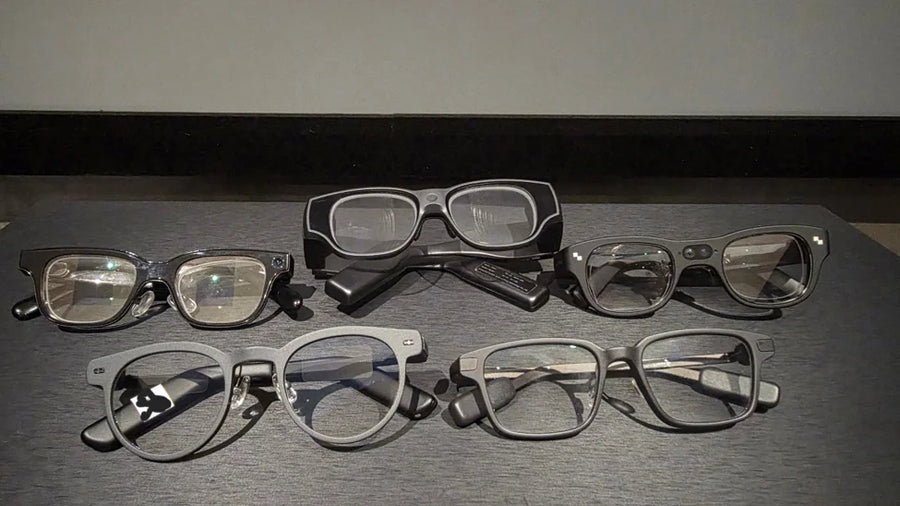
Prescription lenses. MemoMind One supports single-vision prescriptions only (no progressives or bifocals), with ZEISS as the lens partner in the US & UK. Frames come in Nomad, Gotham, and Archive. Prescription lenses are made to order, so they are excluded from no-questions-asked returns.
-
Warranty and returns. The limited warranty is 1 year from the date you receive the glasses, 2 years in the EU and EFTA, and 3 years in Spain. Returns run 14 days, with 30-day exchanges for quality issues.
If anything is unclear, feel free to contact MemoMind customer support.
So, is MemoMind One Legit
Yes. MemoMind One is a real product with hands-on coverage from established technology publications, and orders have moved into the shipping phase. We've interviewed many users along the way, collected both good and bad feedback, and have a clear list of what to improve next.
Whether it suits you is a separate question. The best next step is to compare MemoMind One with the other glasses on your shortlist and check the current purchase terms, which will tell you more about fit than a yes-or-no on whether it's legit.